Problemas comuns em betoneiras autocarregáveis e como evitá-los
Aug 28, 2026
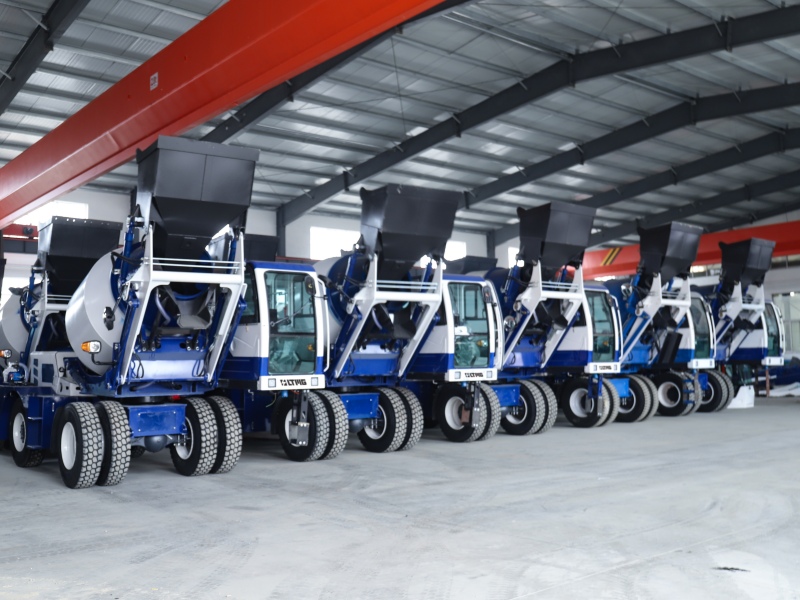
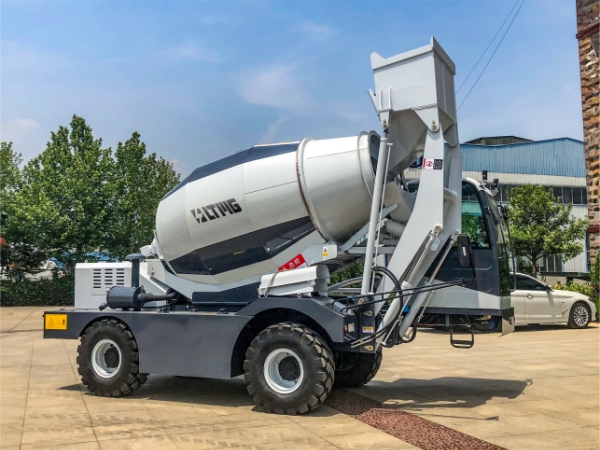
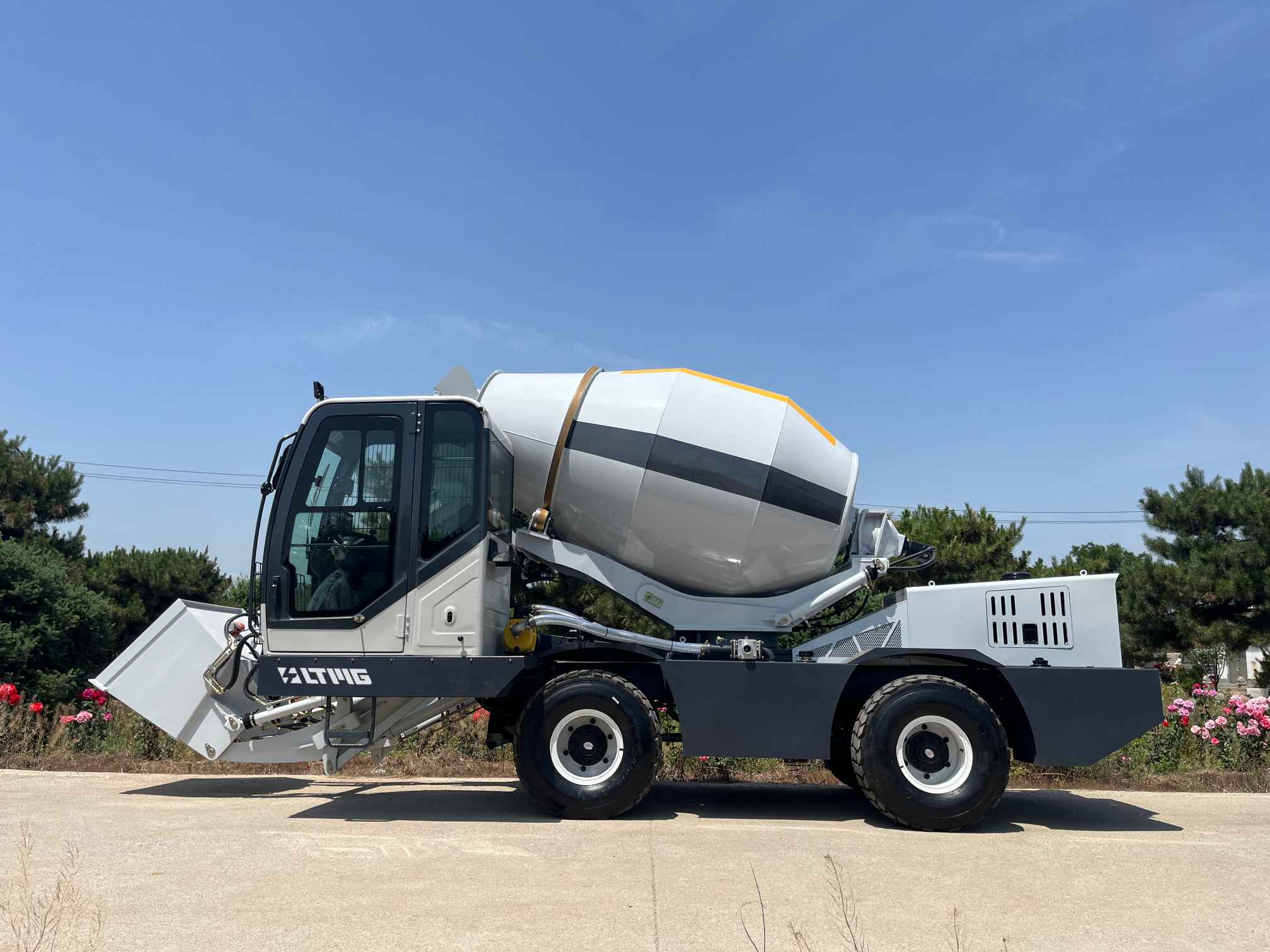
A betoneira autocarregável Integra carregamento, pesagem, mistura, transporte e descarregamento em uma única máquina. Isso a torna especialmente adequada para construção de estradas, projetos residenciais, desenvolvimento de infraestrutura rural e canteiros de obras localizados longe de usinas de concreto pré-misturado.No entanto, a integração de múltiplas funções em uma única máquina também significa que o motor, o sistema hidráulico, o sistema de mistura e o mecanismo de carregamento estão intimamente interligados. Se um desses sistemas apresentar um problema, isso pode afetar o carregamento, a mistura ou até mesmo o funcionamento de toda a máquina.Comum problemas com betoneira autocarregável Os problemas incluem falha na rotação do tambor de mistura, movimentos hidráulicos lentos, superaquecimento do motor, mau funcionamento do sistema de carregamento, pesagem imprecisa e baixo desempenho na mistura do concreto. Muitos desses problemas apresentam sinais de alerta antes de causarem a paralisação completa da máquina, razão pela qual a inspeção oportuna e a manutenção adequada são importantes.A seguir, apresentamos alguns problemas comuns em betoneiras autocarregáveis e medidas preventivas que podem ajudar os operadores a reduzir o tempo de inatividade e manter a máquina funcionando com eficiência. 1. O tambor de mistura não gira ou gira fracamente. Em máquinas com tambores de mistura acionados hidraulicamente, a resolução de problemas geralmente deve começar pelo sistema hidráulico.Óleo hidráulico insuficiente ou contaminado, filtros entupidos e problemas com a bomba hidráulica, o motor ou a válvula de controle podem reduzir a potência de saída. Além disso, sobrecarga prolongada e grandes quantidades de concreto endurecido acumulado dentro do tambor podem aumentar significativamente a resistência à rotação.Quando esse problema ocorrer, verifique primeiro o estado e o nível do óleo hidráulico, inspecione as tubulações externas em busca de vazamentos e procure por qualquer obstrução óbvia ao redor do tambor de mistura.Se essas verificações básicas não identificarem a causa, não continue forçando o funcionamento do tambor. Aumentar a pressão hidráulica sem um diagnóstico adequado também não é recomendável. Em vez disso, a bomba hidráulica, o motor e o mecanismo de redução devem ser inspecionados mais detalhadamente. Durante a operação diária, a manutenção do sistema hidráulico de acordo com as especificações do fabricante e a limpeza imediata do tambor de mistura após cada operação são maneiras eficazes de prevenir esse tipo de problema. 2. O sistema hidráulico funciona lentamente ou com pouca potência. O sistema hidráulico é uma parte importante de uma betoneira autocarregável. Componentes como a caçamba de carregamento, o braço de carregamento e o tambor de mistura podem depender de energia hidráulica. Portanto, quando o desempenho hidráulico diminui, o problema geralmente afeta várias funções, e não apenas uma.Por exemplo, a caçamba de carregamento pode demorar consideravelmente mais para levantar, o tambor de mistura pode girar com pouca força ou a temperatura do óleo hidráulico pode subir significativamente após a máquina estar em funcionamento por algum tempo. Esses sintomas podem indicar que o sistema hidráulico precisa de inspeção.As causas comuns incluem óleo hidráulico insuficiente ou contaminado, sistemas de filtragem entupidos, vazamentos em mangueiras ou vedações e desgaste em bombas hidráulicas ou válvulas de controle. Durante a manutenção de rotina, preste muita atenção ao estado do óleo hidráulico, verifique se há vazamentos nas mangueiras e conexões e observe se os movimentos da máquina são visivelmente diferentes da operação normal.Manter o óleo hidráulico limpo é particularmente importante porque os contaminantes que entram no sistema podem acelerar o desgaste de componentes de precisão, como válvulas, bombas e motores. Se uma mangueira estiver danificada ou houver vazamento de óleo hidráulico de alta pressão, pare a máquina imediatamente. Nunca tente localizar um vazamento hidráulico de alta pressão com as mãos. Testes de pressão e reparos devem ser realizados por técnicos qualificados. 3. Superaquecimento do motor O sobreaquecimento do motor é mais provável de ocorrer em locais de trabalho com altas temperaturas e muita poeira, ou quando a máquina opera sob cargas pesadas por períodos prolongados.Níveis baixos de líquido de arrefecimento, acúmulo de sujeira e detritos na superfície do radiador, vazamentos no sistema de arrefecimento e problemas com a ventoinha, correia, bomba d'água ou termostato podem afetar o arrefecimento normal do motor. A operação contínua sob cargas excessivas também pode exercer pressão adicional sobre o sistema de refrigeração.Quando um aviso de temperatura aparecer, reduza a carga operacional e desligue a máquina com segurança, seguindo as instruções de operação. Após o motor esfriar o suficiente, verifique o nível do líquido de arrefecimento, o radiador e quaisquer mangueiras ou correias que possam ser inspecionadas com segurança. Nunca abra o sistema de arrefecimento enquanto o motor ainda estiver quente. Para máquinas que operam frequentemente em ambientes com areia, pó de pedra ou pó de cimento, a limpeza do radiador é especialmente importante. Se o motor continuar a sobreaquecer frequentemente após a limpeza e inspeções básicas, o sistema de arrefecimento e possivelmente o próprio motor devem ser examinados mais detalhadamente. 4. O motor apresenta dificuldades para dar partida. Se uma máquina que antes ligava rapidamente passa a girar lentamente, requer várias tentativas para ligar ou não liga de forma alguma, o problema não deve ser atribuído simplesmente ao mau tempo.Uma bateria fraca, terminais da bateria soltos ou corrosão podem afetar o desempenho do motor de arranque. Um filtro de ar entupido ou combustível contaminado também podem dificultar a partida do motor.Além disso, problemas com o filtro de combustível, o motor de arranque ou o sistema de injeção de combustível podem produzir sintomas semelhantes.Comece verificando os indicadores de aviso no painel, as conexões da bateria, o fornecimento de combustível e os filtros de ar, pois esses itens são relativamente fáceis de inspecionar. Se a máquina ainda não ligar, especialmente quando houver suspeita de problema no sistema de combustível de alta pressão, no injetor de combustível ou na unidade de controle eletrônico, recomenda-se um diagnóstico profissional. 5. A caçamba ou o braço de carregamento apresentam funcionamento anormal. A função de autocarregamento é uma das principais características que diferencia este tipo de máquina dos caminhões betoneira convencionais. Portanto, problemas com o sistema de carregamento podem reduzir diretamente a eficiência da produção de concreto na obra.Os sintomas típicos incluem a caçamba de carregamento levantar mais lentamente do que o normal, não atingir a altura normal, tremer durante o movimento ou não conseguir permanecer firme na posição após ser elevada.Como o mecanismo de carregamento geralmente é acionado hidraulicamente, esses problemas podem ser causados por pressão hidráulica insuficiente, vazamento interno no cilindro, falhas na válvula de controle ou vazamento na mangueira hidráulica.Elas também podem resultar do desgaste dos pinos de articulação ou da obstrução do mecanismo por areia, agregados ou concreto endurecido.Primeiramente, inspecione a área ao redor do mecanismo de carregamento em busca de objetos estranhos visíveis, vazamentos ou danos estruturais.Se a caçamba baixar sozinha, o movimento se tornar incontrolável ou componentes estruturais críticos forem danificados, pare imediatamente de operar a máquina. Mais importante ainda, nunca entre ou trabalhe embaixo de uma caçamba ou braço de carregamento levantado, a menos que haja suporte mecânico confiável e medidas adequadas de isolamento de segurança. 6. Desempenho de mistura deficiente ou concreto irregular Às vezes, pode não haver falha mecânica óbvia, mas o concreto produzido torna-se menos uniforme ou requer um tempo de mistura significativamente maior do que o normal. Essa situação também merece atenção.O problema não se origina necessariamente no próprio tambor de mistura.Sobrecarga, controle impreciso da água ou erros no sistema de pesagem podem alterar as proporções reais da mistura. Velocidade anormal do tambor, acúmulo excessivo de material dentro do tambor ou desgaste significativo dos componentes de mistura também podem afetar o desempenho da mistura.Por esse motivo, a resolução de problemas deve considerar a quantidade de carga, o sistema de pesagem, o sistema de abastecimento de água e o sistema de mistura em conjunto, em vez de simplesmente aumentar a velocidade do motor ou a velocidade de rotação do tambor.A sobrecarga a longo prazo pode não apenas reduzir a qualidade da mistura do concreto, mas também aumentar a carga de trabalho no sistema hidráulico e nos componentes de transmissão. Portanto, ao adquirir uma betoneira autocarregável, selecionar a capacidade adequada da máquina com base nas necessidades reais de concreto por lote também é uma parte importante para reduzir problemas futuros com o equipamento. 7. Acúmulo de concreto endurecido dentro do tambor de mistura Comparado com muitas falhas mecânicas, o acúmulo de concreto é relativamente fácil de prevenir. No entanto, uma vez que o concreto residual tenha endurecido completamente, sua remoção pode se tornar difícil.À medida que o concreto endurecido continua a se acumular, a capacidade interna efetiva do tambor de mistura diminui gradualmente. Isso também aumenta a resistência à mistura e pode afetar o desempenho tanto da mistura quanto da descarga.Em casos graves, o acúmulo excessivo pode até causar uma carga irregular no tambor de mistura.Por isso, a limpeza da máquina após cada utilização é extremamente importante.Não espere que o concreto residual endureça para tentar removê-lo. O tambor de mistura, a área de descarga e o mecanismo de carregamento devem ser limpos enquanto o material restante ainda estiver fácil de remover. Caso uma grande quantidade de concreto endurecido já tenha se formado e seja necessária a remoção mecânica, a máquina deve primeiro ser desligada e todas as fontes de energia relevantes isoladas de acordo com os procedimentos de manutenção para evitar o movimento acidental do tambor. Conclusão Os problemas mais comuns em betoneiras autocarregáveis geralmente estão relacionados ao tambor de mistura, ao sistema hidráulico, ao motor, ao sistema de carregamento e ao sistema de pesagem.Esses problemas geralmente não ocorrem sem aviso prévio. Movimentos mais lentos, ruídos incomuns, vazamento de óleo, aumento de temperatura ou dados de medição instáveis podem ser sinais precoces de problemas no equipamento.Inspeções de rotina, manutenção da limpeza do sistema hidráulico, remoção imediata de resíduos de concreto e execução de manutenções programadas de acordo com as recomendações do fabricante podem ajudar a reduzir o tempo de inatividade desnecessário.Para empresas de construção que planejam adquirir equipamentos, selecionar a capacidade e a configuração adequadas da máquina é igualmente importante.As betoneiras autocarregáveis da LTMG integram carregamento, pesagem, mistura, transporte e descarregamento em uma única máquina móvel. Diferentes configurações podem ser selecionadas de acordo com as necessidades de construção de estradas, projetos residenciais e outras aplicações de produção de concreto no local. Se você está procurando uma betoneira autocarregável, entre em contato com a LTMG. Recomendaremos a máquina mais adequada às necessidades do seu projeto.