No cenário da agricultura global em rápida evolução em 2026, a mecanização não se trata mais apenas de substituir o trabalho manual — trata-se de otimizar as margens apertadas do agronegócio. Escolher uma trator agrícola É um dos investimentos de capital mais significativos que uma fazenda fará.
No entanto, um erro comum para muitos gestores é a incompatibilidade entre a escala da exploração agrícola e as especificações das máquinas.
Unidades com potência insuficiente: Levam a um aumento do esforço do motor, avarias frequentes e perda de períodos de plantio ou colheita.
Unidades com potência excessiva: resultam em consumo excessivo de combustível, prêmios de seguro mais altos e custos de manutenção desnecessários.
Este guia utiliza a experiência do setor para ajudá-lo a equilibrar potência, requisitos do solo e Custo Total de Propriedade (TCO) para garantir que seu próximo trator agrícola seja um ativo, e não um passivo.
O tamanho do seu terreno é o principal fator determinante da "classe" de equipamento necessária. Abaixo, você encontrará uma descrição de como a área do terreno geralmente define os requisitos de energia.
Potência recomendada: 25–50 HP
Aplicações principais: Pomares, vinhedos, estufas e pequenas hortas.
Vantagem estratégica: Essas unidades compactas oferecem alta manobrabilidade em espaços reduzidos e consumo de combustível significativamente menor. São ideais para trabalhos leves de aração, corte de grama e pulverização.
Potência recomendada: 60–100 HP
Aplicações principais: Cultivo geral de grãos, produção de feno e forragem e manejo de gado.
Vantagem estratégica: Esta é a categoria "utilitária". Esses tratores oferecem fluxo hidráulico suficiente para operar implementos de porte médio, mantendo-se econômicos o bastante para as tarefas diárias.
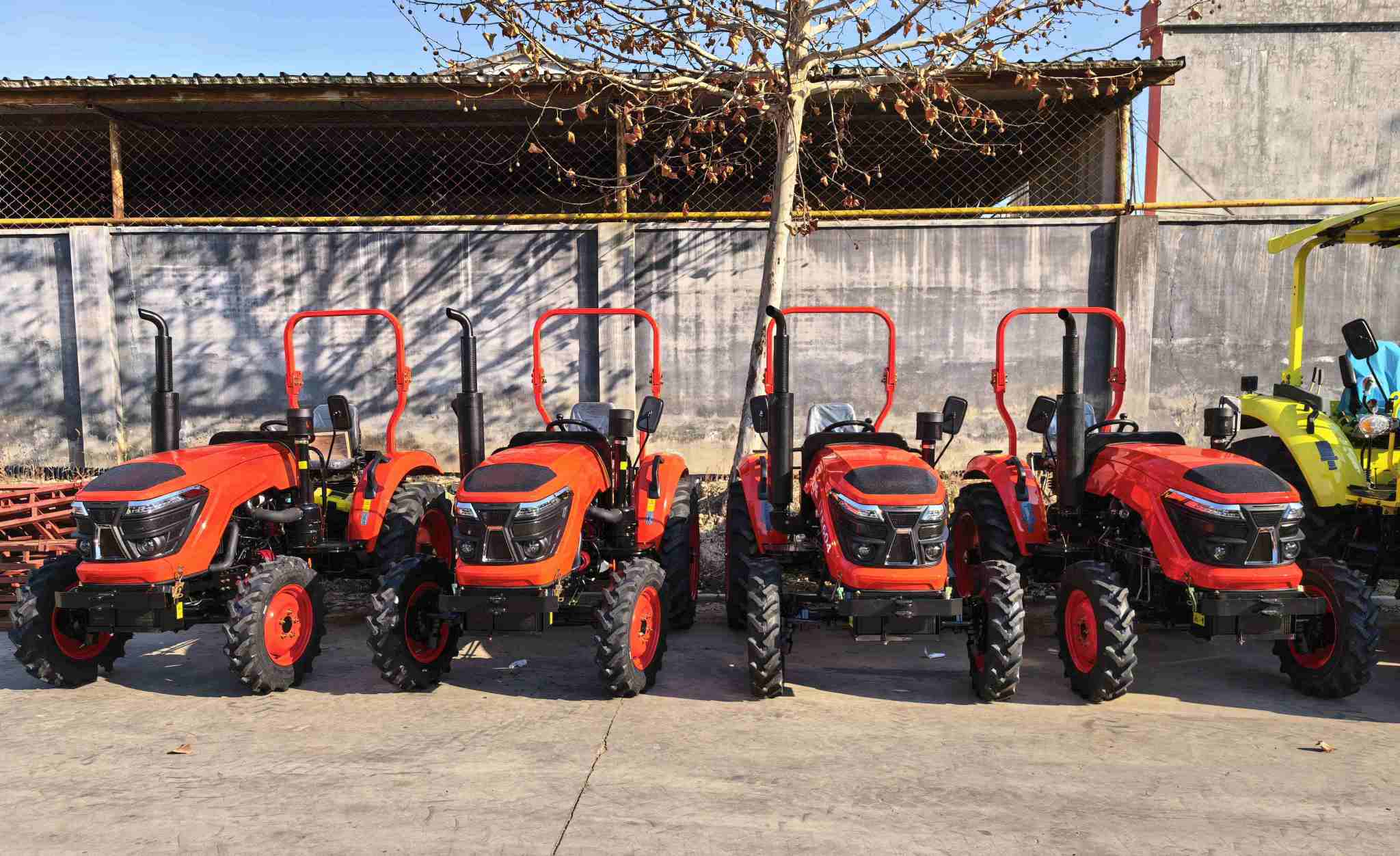
Potência recomendada: 100+ HP
Aplicações principais: Culturas agrícolas em larga escala (trigo, milho, soja), aração profunda e intensa e transporte extensivo.
Vantagem estratégica: A alta tração e os sistemas de transmissão avançados permitem que essas máquinas puxem implementos de grande largura, cobrindo mais terreno em menos passagens — essencial para períodos de uso condicionados pelas condições climáticas.
| Tamanho da fazenda (hectares) | Faixa de HP recomendada | Culturas mais adequadas | Prioridade do recurso principal |
| 1 – 20 | 25 – 50 HP | Vegetais, frutas, bagas | Raio de giro e economia de combustível |
| 20 – 100 | 60 – 100 HP | Grãos, feno, gado | Versatilidade e Potência Hidráulica |
| Mais de 100 | 100 – 200+ HP | Milho, trigo, soja | Compatibilidade com tração e GPS |
Embora o tamanho forneça uma base de comparação, o processo de compras profissional exige uma análise mais aprofundada do ambiente operacional.
A escolha do sistema de acionamento envolve um equilíbrio entre o custo inicial e o desempenho em campo.
Um comprador profissional olha além do preço de tabela. Para calcular o valor real de um trator, considere o seguinte:
O trator "certo" é aquele que minimiza o custo por hectare e maximiza a produtividade. Ao adequar o tamanho da sua propriedade à potência apropriada e considerando as características específicas do solo e da topografia, você pode garantir uma máquina que impulsione o seu crescimento por uma década ou mais.
Precisa de uma solução personalizada para movimentação de materiais ou agricultura? Selecionar o trator agrícola perfeito exige equilibrar as especificações técnicas com um orçamento realista. Entre em contato com nossa equipe de especialistas hoje mesmo para uma consultoria personalizada ou baixe nosso Catálogo de Seleção de Tratores 2026 para comparar os modelos de alta eficiência mais recentes.
Deseja que lhe enviássemos um orçamento específico para um modelo de 50 HP ou 100 HP com base no seu tipo de cultura atual?

Tel : +86 195 5920 7570
E-mail : market@ltmg.com
Whatsapp : +86 195 5920 7570
Adicionar : LTMG Group, Electronics City(Xiamen) International Innovation Center, No.23, Duiying Road, Jimei District, Xiamen, China


Obtenha as últimas informações sobre produtos e informações sobre ofertas



