blogue
  • How to Choose the Right Road Roller for Different Soil Types
    How to Choose the Right Road Roller for Different Soil Types Aug 31, 2026
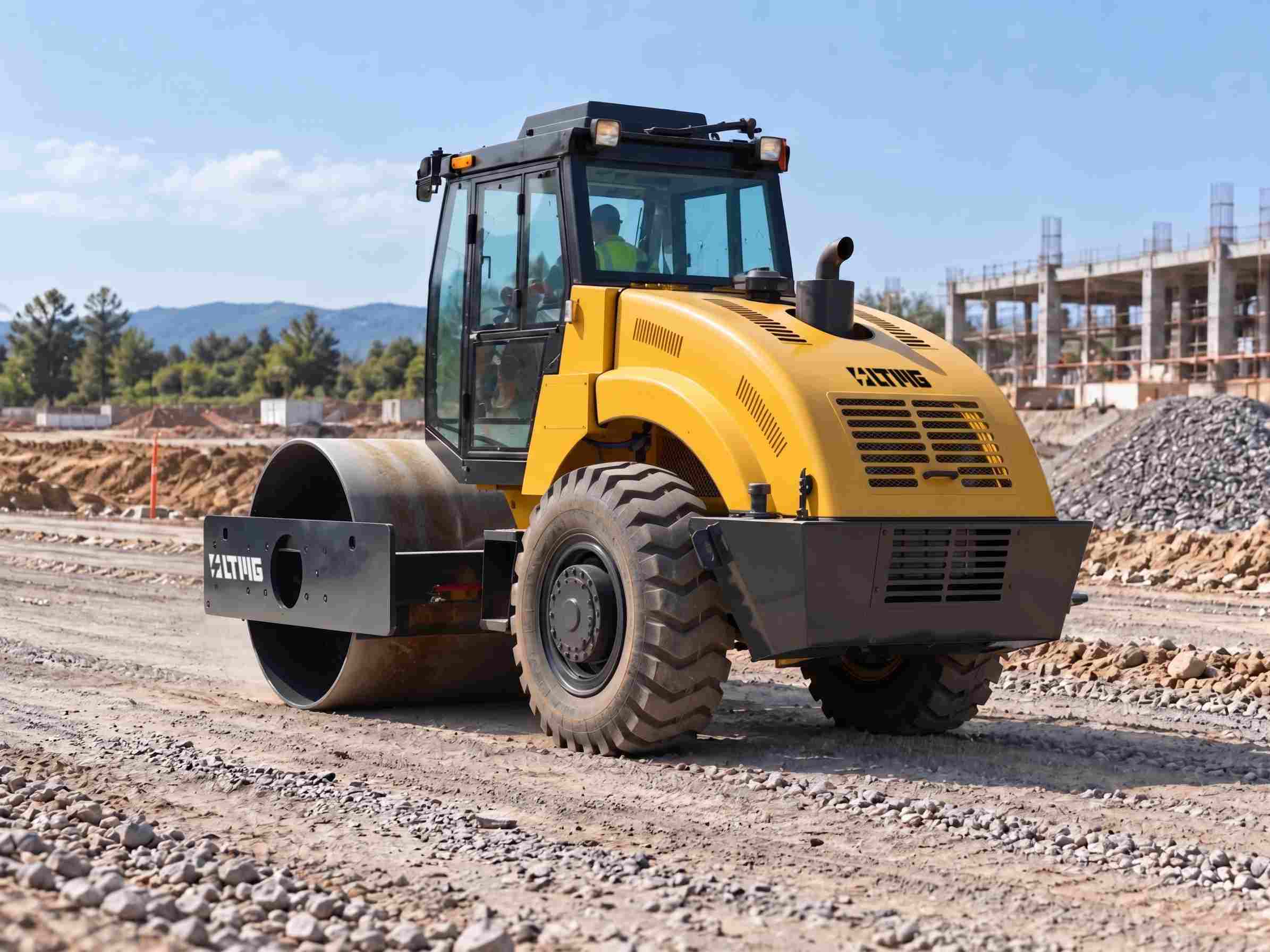
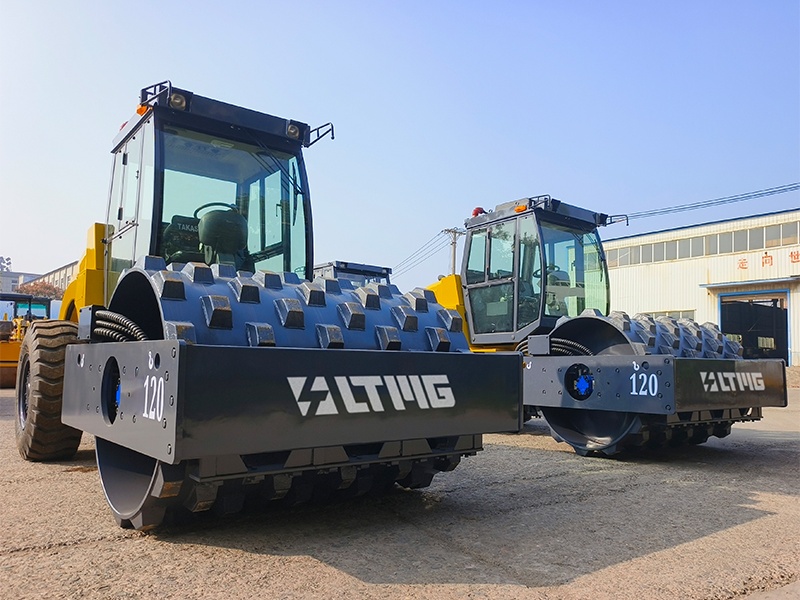
    Choosing a road roller is not simply a matter of selecting the machine with the highest operating weight. Even when two rollers have similar operating weights, their compaction performance can vary significantly if the drum type, vibration parameters, operating speed, or compaction mechanism does not match the soil conditions on the jobsite. For road construction contractors and engineering companies, the real question is straightforward: Which type of roller can achieve the required compaction with fewer passes, lower fuel consumption, and higher operating efficiency? The answer begins with the soil type. Sand, gravel, clay, silt, and mixed fill materials respond differently to compaction. Granular soils are generally better suited to vibratory compaction, while cohesive soils often require kneading or tamping action. Moisture content, lift thickness, amplitude, vibration frequency, and roller travel speed can also significantly affect the final compaction result. This article explains how to choose the right road roller for different soil types.   Why Soil Type Matters When Choosing a Road Roller   The primary purpose of soil compaction is to reduce air voids within the soil, allowing the particles to rearrange into a denser and more stable structure.   Proper compaction can: ·Increase the bearing capacity of the foundation ·Reduce the risk of future settlement ·Improve the stability of subgrades and base courses ·Provide a more reliable foundation for pavements, embankments, and other structures   However, different types of soil require different compaction methods. From a compaction perspective, common soils can generally be divided into two categories: ·Granular soils, such as sand, gravel, and graded crushed stone. These materials have relatively low cohesion between particles and are therefore highly suitable for vibratory compaction. ·Cohesive soils, such as clay and plastic silt. These soils contain a large proportion of fine particles with significant cohesion and are generally better compacted through pressure combined with kneading action.   This is one of the most basic and important principles in road roller selection.   A smooth single-drum vibratory roller that performs extremely well on a gravel base course may become much less efficient when used on high-moisture plastic clay. Likewise, a padfoot or sheepsfoot roller designed specifically for cohesive soils is usually unnecessary for clean sand and gravel base materials.   What Type of Roller Should Be Used for Clay?   Clay is one of the more difficult soil types to compact because its compaction performance is highly dependent on moisture content. When clay is close to its optimum moisture content, good compaction can usually be achieved. If the soil is too dry, watering, mixing, and moisture conditioning may be required. If the soil is too wet, repeated rolling may not significantly increase density and may instead cause: ·Deformation ·Springing or bouncing ·Mud pumping ·Rutting   For highly plastic clay, a padfoot or sheepsfoot roller is generally the preferred choice. The projecting pads create high contact pressure while also producing a kneading action within the soil. This makes them more effective than relying solely on the surface pressure of a smooth drum. A smooth single-drum roller can still be useful, for example, for final sealing or surface finishing after the main compaction work has been completed. Some smooth single-drum rollers can also be fitted with padfoot shell kits. However, whether a specific model supports this configuration should be confirmed with the equipment manufacturer before purchase.   Therefore, if your project mainly involves clay, it is more important to choose the correct drum type than simply to purchase a heavier roller.   What Type of Roller Should Be Used for Silt?   Roller selection for silt requires greater care because the engineering properties of different silts can vary considerably. If the material is plastic silt, its behavior may be closer to that of clay, making a padfoot roller more suitable. If it is sandy silt or non-plastic silt, its behavior may be closer to that of granular soil, in which case a smooth drum vibratory roller may be appropriate. Moisture content is particularly important. If the soil visibly moves or waves beneath the drum during rolling, or if pumping occurs, simply increasing the vibration will usually not solve the problem.   Instead, it may be necessary to: ·Scarify and expose the material ·Allow it to dry ·Loosen or aerate the soil ·Blend it with other materials ·Adjust the moisture content   Compaction can then continue once the material condition has improved.   For mixed silty soils, constructing a trial section is generally recommended to determine whether a smooth drum vibratory roller can achieve the required density within a reasonable number of passes.   What Type of Roller Should Be Used for Sand?   Sand is one of the most typical applications for a single-drum vibratory roller. Because sand is a granular material with relatively low cohesion between particles, vibration helps the particles rearrange themselves into a denser structure. Compared with static pressure alone, the dynamic compaction force generated by vibration can generally influence deeper layers of the lift.   For medium and large road construction and earthmoving projects, a 12–14 ton smooth single-drum vibratory roller is particularly suitable for: ·Sandy subgrades ·Sand fill ·Highway embankments ·Foundation construction ·Large-scale earthworks ·Airport and industrial site construction   The vibration system should be adjusted according to lift thickness and soil conditions. Higher amplitude generally produces stronger and deeper compaction and may therefore be more effective during the initial compaction of thicker loose lifts. As the material becomes denser, or when compacting thinner lifts, a lower amplitude may be more appropriate. Vibration frequency must also be considered. Frequency determines how many vibration impacts the drum applies to the soil within a given period of time.   Therefore, compaction efficiency is not determined by a single parameter. It depends on the combination of: Amplitude + Frequency + Travel Speed   What Type of Roller Should Be Used for Gravel and Crushed Stone?   Gravel, crushed stone, and graded aggregates are also highly suitable for smooth drum vibratory rollers. These materials are commonly used for: ·Road base courses ·Road subbases ·Highway shoulders ·Industrial sites ·Airport projects ·Railway projects ·Large foundation projects   A heavy vibratory drum helps rearrange coarse particles and reduce voids within the compacted layer. If the loose lift is relatively thick, higher vibration energy can be used during the initial stage of compaction. As the maerial becomes stiffer and its density increases, the amplitude can be reduced. When continued high-energy compaction no longer produces a noticeable improvement in density, the operator can switch to low amplitude or even static rolling for the finishing passes. It is important to understand that continuously increasing the number of passes does not necessarily continue to increase compaction.   Once the material has reached an effective compaction plateau, additional passes will mainly increase fuel consumption, machine operating hours, and operating costs while reducing overall jobsite efficiency.   How Should Mixed Soils Be Compacted?   For mixed soils, simple equipment-selection rules may no longer be sufficient. Common examples encountered on jobsites include: ·Sandy clay ·Gravel containing fines ·Mixed fill soils   The actual compaction characteristics of these materials depend on several factors, including: ·Percentage of fines ·Clay content ·Plasticity index ·Particle gradation ·Moisture content ·Particle size distribution   For example, a material consisting primarily of gravel with only a small amount of non-plastic fines may still be highly suitable for a smooth drum vibratory roller. However, if the gravel contains a significant amount of plastic clay, padfoot compaction may be required. For this reason, equipment selection should not be based solely on the visual appearance of the material. Whenever possible, contractors should refer to: ·USCS soil classification ·AASHTO soil classification ·Gradation test results ·Plasticity index     For projects where material conditions vary significantly, a trial section should be constructed first to establish the final rolling pattern before full-scale compaction begins.   Can Organic Soil Be Compacted Directly with a Road Roller?   Soils with high organic content present a different type of challenge. These materials typically have: ·High compressibility ·High sensitivity to moisture content ·A high risk of long-term settlement ·Poor structural load-bearing capacity   As a result, the material itself may not be suitable for use as road fill or as a structural foundation material. Using a heavier roller does not automatically turn poor-quality organic soil into acceptable structural fill. Depending on the geotechnical design requirements, possible solutions may include: ·Excavation and replacement ·Soil stabilization ·Blending with suitable materials ·Ground improvement ·Modifying the pavement or foundation design     Before investing additional effort in compaction, contractors should first determine whether the material itself is suitable for structural use.   Conclusion   Choosing the right road roller begins with understanding the material being compacted rather than simply comparing machine operating weights. ·For sand, gravel, crushed stone aggregates, and most granular road-building materials, a smooth single-drum vibratory roller is generally an efficient choice. ·For clay and highly plastic cohesive soils, a padfoot or sheepsfoot roller can usually provide more effective kneading compaction. ·For silt and mixed soils, equipment selection should be based on soil classification, moisture content, and field trial results. ·For contractors whose main applications include road subgrades, granular fill, sand, gravel, and crushed stone base courses, a 12–14 ton LTMG single-drum vibratory roller can provide an operating weight and vibration parameter range suitable for medium- to heavy-duty earthmoving projects.   When requesting a quotation, we recommend providing the following information: ·Soil type ·Compacted lift thickness ·Target compaction level ·Project type ·Required daily production capacity     With this information, LTMG can recommend a road roller configuration that better matches your actual jobsite conditions, rather than selecting equipment based only on machine operating weight.    
  • Construction Machinery for Harsh Environments: What Should Buyers Focus On?
    Construction Machinery for Harsh Environments: What Should Buyers Focus On? Aug 26, 2026
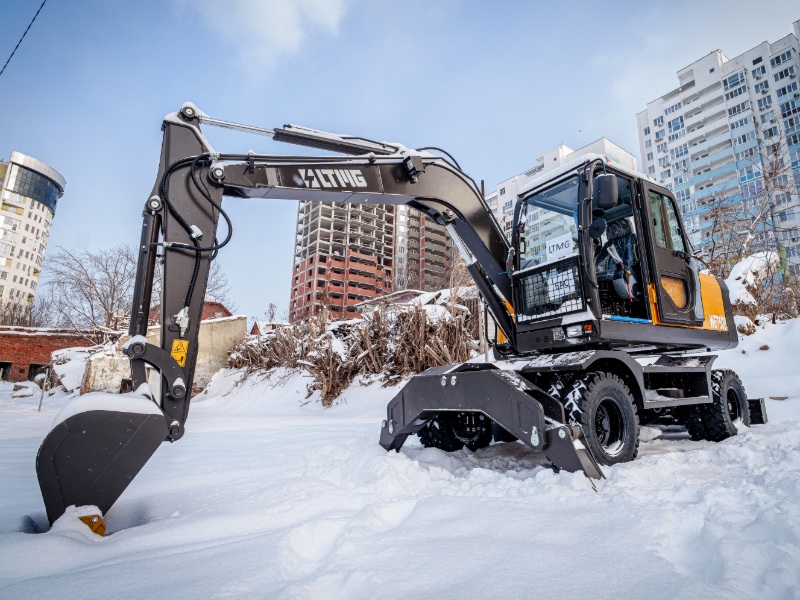
    When purchasing construction machinery for harsh environments, buyers should not simply compare engine power, bucket capacity, operating weight, or purchase price. A machine that performs well under normal jobsite conditions may face overheating, abnormal component wear, increased filtration demands, hydraulic system failures, corrosion, and longer downtime when exposed to high temperatures, heavy dust, extreme cold, muddy terrain, high altitudes, or continuous heavy-duty operation. Therefore, for contractors, mining companies, equipment dealers, rental companies, fleet managers, and procurement professionals, the real question is not: “Does this machine have enough power?” Instead, it should be: “Is this machine properly configured for the conditions it will actually face?” Before purchasing an excavator, wheel loader, bulldozer, motor grader, or other type of heavy equipment, buyers should evaluate the engine, cooling system, filtration system, hydraulic system, undercarriage, electrical system, cab, structural protection, and maintenance requirements as an integrated system.   Why Do Harsh Working Conditions Require Different Equipment Configurations?   Harsh operating environments often place additional stress on multiple machine systems at the same time. High ambient temperatures reduce the cooling margin available to the engine and hydraulic system. Fine dust can clog air filters and contaminate components. Low temperatures increase fluid viscosity and make starting more difficult. High altitudes reduce air density. Mud and water may penetrate weak connectors, seals, and joints. Salt spray in coastal environments increases the risk of corrosion, while continuous heavy-duty operation accelerates wear on pins, bushings, tires, tracks, hydraulic components, and structural parts. More importantly, these problems rarely occur in isolation. For example, a wheel loader operating in a hot and dusty quarry is exposed not only to high thermal loads but also to rapid dust buildup on the radiator. Even if the cooling system has sufficient theoretical capacity, accumulated dust and debris on the radiator and coolers can significantly reduce actual cooling performance.   For this reason, equipment selection for harsh environments should begin with jobsite conditions, not with the product brochure.   1. Extreme Heat: Evaluate the Entire Cooling System, Not Just the Engine   High temperatures can affect engine coolant temperature, hydraulic oil temperature, transmission temperature, lubrication performance, seals, hoses, batteries, and operator comfort. During high-load operation, the engine and hydraulic system already generate substantial amounts of heat. As ambient temperature rises, the temperature difference between the machine systems and the surrounding air becomes smaller, making heat dissipation more difficult.   What Problems Can Occur? Potential issues include: ·Engine overheating or automatic power derating; ·Excessive hydraulic oil temperature; ·Accelerated degradation of fluids and seals; ·Reduced machine productivity; ·More frequent radiator cleaning; ·Premature aging of hoses and other components; ·Increased downtime during the hottest periods of the day.   For dusty applications, radiator accessibility and ease of cleaning are especially important. Dust and debris buildup can restrict airflow and eventually reduce cooling efficiency. Before placing an order, buyers should ask the supplier:   “What ambient temperature and operating load can this machine configuration handle? Does our application require a high-ambient-temperature cooling package?”     Simply being told that “the machine can operate in hot environments” is not enough. The supplier should provide information based on the specific model and configuration being offered.   2. Dust and Sand: Filtration Directly Affects Machine Service Life   Quarries, mines, demolition sites, desert construction projects, cement-handling operations, and unpaved road projects often expose equipment to large amounts of dust. Fine particles can affect the engine air-intake system, hydraulic system, cooling system, cab ventilation system, electrical connectors, lubrication points, and moving joints.   What Problems Can Occur? Common risks include: ·Increased engine air-intake restriction; ·Faster clogging of air filters; ·Abnormal engine wear if contaminants enter the intake system; ·Radiator blockage and overheating; ·Contamination of the clean side of the intake system during filter replacement; ·Increased maintenance frequency; ·Reduced operator visibility and comfort.   One frequently overlooked issue is how the filters are serviced. Even when high-performance filters are installed, the filtration system may fail to protect the engine effectively if large amounts of dust enter the clean side during filter replacement. Buyers should ask the supplier:   “If the machine will operate continuously in an environment with high concentrations of fine dust, what filtration configuration do you recommend, and how should the filters be inspected and maintained on site?”   3. Extreme Cold: Check the Starting System, Fluids, Battery, and Hydraulic Performance   The challenges of extremely cold environments involve much more than whether the engine can start. As temperatures fall, engine oil and hydraulic oil become more viscous, battery starting performance decreases, hoses and seals become less flexible, and mud or snow may freeze around the undercarriage. For tracked equipment, buyers should also consider how easy the undercarriage is to clean. Mud or snow accumulated around the track frames and rollers can freeze and interfere with machine operation. A useful question for the supplier is:   “Based on the minimum temperature expected at our project site, what engine oil, hydraulic oil, battery, preheater, and starting procedure should be specified?”   4. High Altitude: Confirm Engine Derating and Cooling Performance   As altitude increases, air density decreases. This can affect engine combustion, turbocharger operation, cooling airflow, and overall machine performance. Modern turbocharged diesel engines can compensate for the effects of altitude to a certain extent. However, the maximum operating altitude and the point at which engine derating begins depend on the specific engine model. Therefore, equipment used for road construction, mining, quarrying, or infrastructure projects in mountainous regions should not be assumed to deliver exactly the same performance at high altitude as it does at sea level.   During the purchasing process, buyers should confirm: ·The maximum operating altitude specified by the engine manufacturer; ·The altitude at which engine derating begins; ·Expected engine power at the project altitude; ·Cooling performance at high altitude; ·Turbocharger configuration; ·Suitability of the exhaust aftertreatment system; ·Expected hydraulic cycle times and productivity under actual operating conditions.   Buyers should give the supplier specific project information, for example: “Our project is located at approximately XX meters above sea level. Please specify the engine power available at this altitude and the expected machine performance.”   The supplier should then evaluate the application based on the actual engine and machine configuration.   5. Mud, Standing Water, and Wet Conditions: Focus on Sealing and the Travel System   Drainage projects, high-rainfall regions, wetlands, road construction sites, clay-rich jobsites, and muddy mining areas create a different set of challenges for construction machinery. Mud accelerates abrasive wear and can accumulate around tracks, rollers, articulation points, axles, and cooling components. Water exposure, meanwhile, places greater demands on sealing, electrical protection, lubrication, and contamination control.   Buyers should inspect: ·Sealing of electrical connectors; ·Routing and protection of wiring harnesses; ·Axle and drivetrain seals; ·Hydraulic cylinder wiper seals and other sealing components; ·Protection of articulation points; ·Ease of cleaning the undercarriage; ·Accessibility of lubrication points; ·Bottom guards and protective plates; ·Whether the tire tread pattern or track configuration is suitable for the ground conditions.   For tracked equipment, buyers should not simply assume that wider track shoes are always better. Ground pressure, traction, steering performance, track shoe loading, and undercarriage wear all need to be considered together. A useful question for the supplier is:   “If the machine will operate for extended periods in muddy or waterlogged conditions, what undercarriage, tire, sealing, and protective configurations do you recommend?”   Do Not Compare Purchase Price Alone — Compare Total Cost of Ownership   For construction machinery operating in harsh environments, the machine with the lowest purchase price may ultimately become the most expensive option. Total cost of ownership should include at least: Purchase cost + fuel + preventive maintenance + filters and fluids + wear parts + tires or undercarriage + repairs + labor + transportation + downtime losses + resale value A machine with an easier-to-clean cooling system, filtration better suited to the application, a more appropriate undercarriage configuration, and better maintenance accessibility may have a slightly higher initial purchase price. However, it may reduce total project costs by minimizing downtime and maintenance labor over the machine’s operating life. For contractors and fleet managers, cost per productive operating hour is often a more useful metric than purchase price alone. When comparing quotations from different suppliers, buyers should also make sure that all machines are configured for the same operating conditions. Otherwise, even if two machines have similar engine power, operating weight, and bucket capacity, their actual configurations may not be directly comparable.     Conclusion   When purchasing construction machinery for harsh environments, buyers should not focus only on engine power, operating weight, bucket capacity, and price. The more important question is whether the machine can continue operating reliably in the environment where it will spend thousands of working hours. Extreme heat increases cooling requirements. Dust makes filtration and radiator maintenance more important. Cold temperatures affect starting and hydraulic performance. High-altitude operation must be evaluated according to the specific engine model. Mud, water, corrosion, and continuous heavy-duty operation each create different demands for sealing, undercarriage components, structural parts, and maintenance.   For equipment buyers, the correct purchasing sequence is clear: Define the operating environment first, then determine the machine configuration.   If you are purchasing excavators, wheel loaders, bulldozers, motor graders, or other construction machinery for mining, quarrying, road construction, building projects, or other demanding applications, provide the equipment supplier with complete information about the project’s temperature, altitude, material characteristics, ground conditions, workload intensity, and maintenance capabilities before finalizing the order.   If your project involves high temperatures, heavy dust, extreme cold, high altitude, muddy conditions, corrosion, or continuous heavy-duty operation, you can provide LTMG with your specific project conditions and equipment requirements so that a suitable machine configuration can be evaluated for your application.    
  • O papel fundamental do compactador na construção de estradas
    O papel fundamental do compactador na construção de estradas May 14, 2025
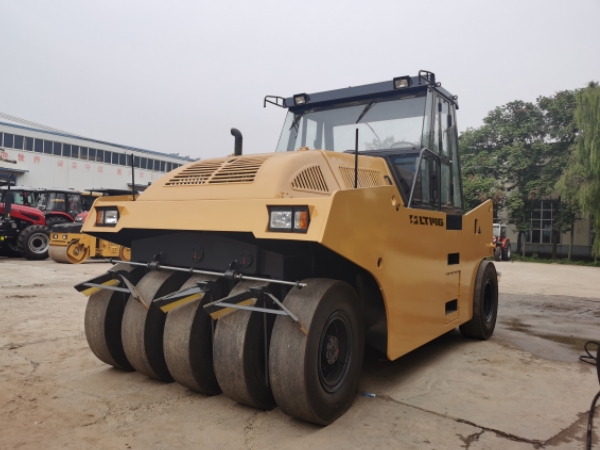
    A construção de estradas é um processo complexo que exige atenção meticulosa aos detalhes. Entre os diversos equipamentos mecânicos, compactadores são uma ferramenta indispensável e importante. Essas máquinas de compactação de alta resistência garantem a estabilidade, a uniformidade e a vida útil da superfície da estrada, sendo a base dos projetos de infraestrutura modernos. De rodovias a pistas de aeroportos, o desempenho dos compactadores afeta diretamente a qualidade e a segurança da superfície final da estrada. 1. Tecnologia de compactação avançada para resultados superioresA maioria dos rolos compactadores modernos utiliza sistemas avançados de vibração e oscilação para obter a compactação ideal do solo e do asfalto. Por exemplo, os compactadores vibratórios aplicam forças de alta frequência para eliminar bolsas de ar e garantir densidade uniforme em cada camada, o que é essencial para evitar futuras rachaduras ou deformações no pavimento. Na pavimentação asfáltica, os rolos compactadores tandem proporcionam uma superfície lisa, mantendo a integridade do material. A precisão dessas máquinas pode reduzir o desperdício de material e o retrabalho, economizando custos e encurtando o cronograma do projeto.2. Adaptabilidade em terrenos e materiaisMas nem todos os rolos compactadores são criados iguais. As máquinas de compactação de solo são projetadas para lidar com solos coesivos, enquanto os rolos compactadores de asfalto são otimizados para pavimentação a quente. Por exemplo, a ação de amassamento dos rolos compactadores de pneus é adequada para materiais granulares, e essa adaptabilidade garante que os empreiteiros possam lidar com uma variedade de projetos com segurança — de estradas rurais de cascalho a vias expressas urbanas. A capacidade de alternar entre os modos de compactação estática e dinâmica aumenta ainda mais a versatilidade para atender às diferentes necessidades dos projetos.3. Aumentando a eficiência com recursos inteligentesMuitos dos rolos compactadores atuais contam com tecnologias inteligentes, como monitoramento de compactação guiado por GPS e relatórios de dados em tempo real. Esses sistemas permitem que os operadores acompanhem o progresso, ajustem parâmetros e garantam a conformidade com as especificações do projeto. Equipamentos de compactação de alta resistência, equipados com controles automatizados, minimizam o erro humano e oferecem resultados consistentes mesmo em condições adversas. Essas inovações não apenas aumentam a produtividade, mas também atendem às metas de sustentabilidade, reduzindo o consumo de combustível e as emissões. Por que escolher os rolos compactadores LTMG?Quando confiabilidade e desempenho são inegociáveis, os rolos compactadores LTMG são seus melhores parceiros para o trabalho. Nossas máquinas combinam engenharia robusta com design centrado no usuário, oferecendo recursos como cabines ergonômicas, motores de baixa manutenção e manobrabilidade aprimorada. Além de produtos de alta qualidade, a LTMG prioriza a experiência do cliente com suporte pós-venda completo. Seja compactando solo para subbase de rodovias ou finalizando camadas de asfalto, a LTMG garante uma operação perfeita do início ao fim.Os rolos compactadores fazem mais do que compactar — eles estabelecem a base para uma infraestrutura duradoura e durável. Ao investir em soluções avançadas de compactação como a LTMG, as empreiteiras podem obter uma vantagem competitiva ao acelerar a entrega dos projetos, reduzir os custos do ciclo de vida e aderir aos padrões globais de qualidade. Em um setor onde precisão e durabilidade são essenciais, o compromisso da LTMG com a inovação e a satisfação do cliente a torna uma parceira preferencial para profissionais de construção rodoviária em todo o mundo.E-mail: market@ltmg.comWhatsApp: +86 18259493402
  • Motoniveladoras, escavadeiras e rolos compactadores: análise aprofundada de três principais máquinas de construção de estradas
    Motoniveladoras, escavadeiras e rolos compactadores: análise aprofundada de três principais máquinas de construção de estradas Dec 31, 2024
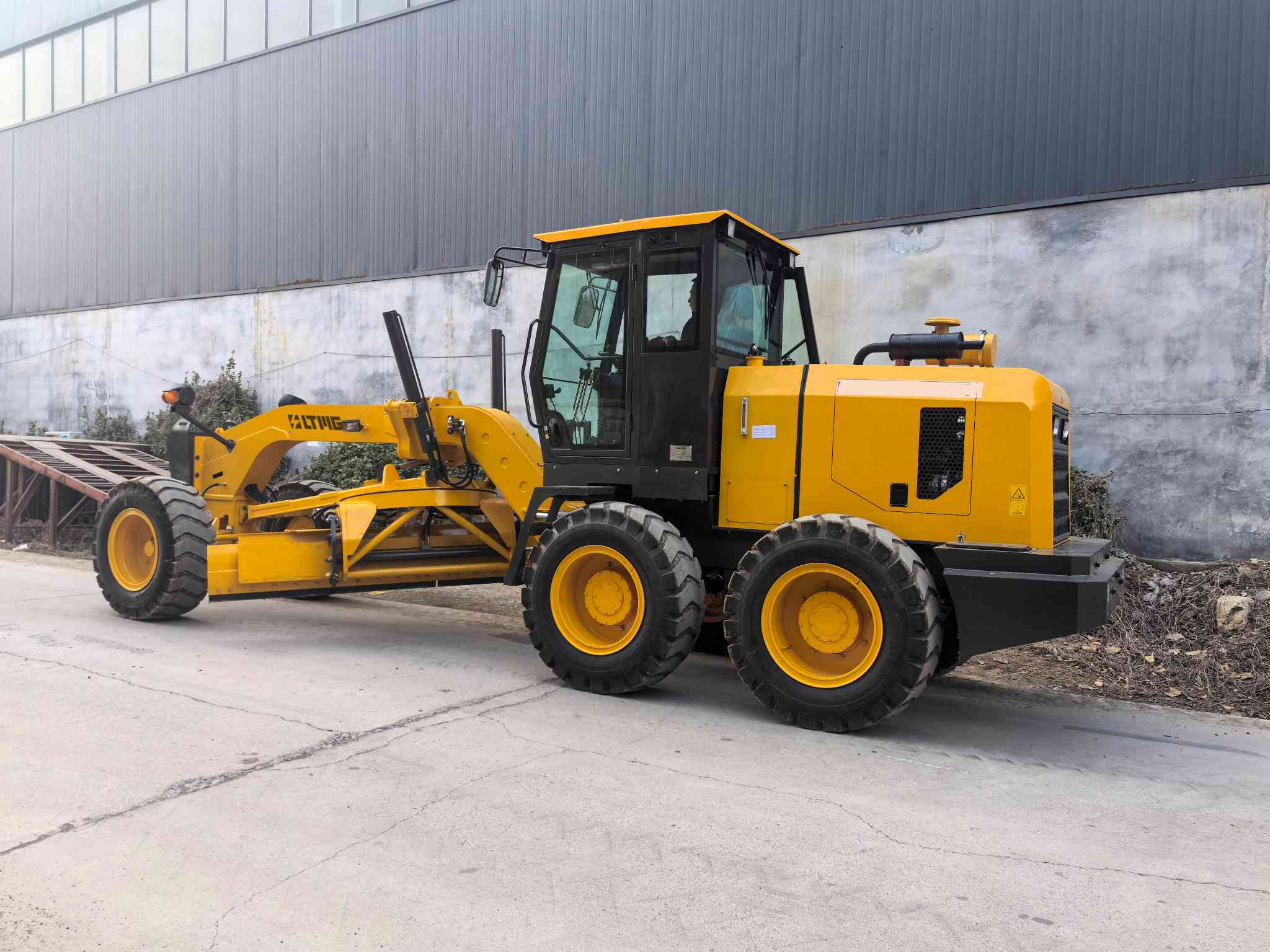
    Na construção de estradas, operações de terraplenagem e projetos de infraestrutura, as máquinas rodoviárias desempenham um papel crítico. Motoniveladoras, escavadeiras e rolos são os equipamentos mais comumente usados, cada um com suas próprias funções e aplicações exclusivas. Compreender as características destas máquinas e saber selecionar os equipamentos certos é crucial para melhorar a eficiência da construção e garantir a qualidade do projeto. Neste artigo, exploraremos as diferenças e aplicações no mundo real dessas três máquinas de construção de estradas.Motoniveladoras: nivelamento de precisão para melhorar a qualidade do pavimentoUma motoniveladora é usada principalmente para nivelamento de terra e ajuste de inclinação, amplamente aplicada na construção de estradas, colocação de pistas de aeroportos e projetos de terraplenagem em grande escala. Sua principal característica é o sistema de lâminas ajustáveis, que permite o nivelamento eficiente de superfícies em diversas condições de solo.A motoniveladora funciona ajustando o ângulo e a profundidade de sua lâmina, controlando com precisão a distribuição e a profundidade do solo para garantir que a superfície atenda à planicidade e inclinação desejadas. Seu poderoso sistema de motor foi projetado para lidar com terrenos complexos e tarefas de movimentação de terras em grande escala. Especificamente, as motoniveladoras sobre esteiras proporcionam tração mais forte, tornando-as adequadas para superfícies lamacentas ou instáveis.  As motoniveladoras são comumente usadas nas seguintes áreas:Construção de estradas: Para nivelamento de terras durante a construção de novas estradas.Construção de pista de aeroporto: Garantir o nivelamento e inclinação adequados das pistas.Recuperação de Terras: Utilizado para nivelamento de terrenos em projetos agrícolas e hidráulicos.Ao selecionar uma motoniveladora, fatores como ajuste do sistema de lâmina, potência do motor e conforto do operador precisam ser considerados. As motoniveladoras modernas geralmente vêm equipadas com ar condicionado e assentos confortáveis para aprimorar a experiência de trabalho do operador e melhorar a eficiência.Bulldozers: poderosa força de impulso para movimentação de terras em grande escalaUma escavadeira é uma máquina pesada projetada para empurrar solo, pedras e outros materiais de um lugar para outro. Sua lâmina pode ser ajustada em ângulo e profundidade para diversas tarefas, como empurrar, empilhar e cortar terra. As escavadeiras desempenham um papel vital em projetos de terraplanagem de grande escala, limpando rapidamente canteiros de obras, removendo obstáculos e preparando a área para trabalhos subsequentes.  As vantagens das escavadeiras são:Força de Empurrão Enorme: Os bulldozers estão equipados com motores potentes que lhes permitem empurrar grandes quantidades de terra ou outros materiais de construção de forma eficiente.Sistema Rastreado: Em comparação com máquinas com rodas, os sistemas de esteiras proporcionam tração superior, tornando as escavadeiras altamente eficazes em terrenos irregulares e acidentados.Bulldozers têm amplas aplicações, incluindo:Mineração: Bulldozers são usados para empurrar materiais extraídos para locais designados para processamento posterior.Canteiros de obras: As escavadeiras limpam os canteiros de obras removendo detritos e obstáculos, criando espaço para trabalhos futuros.Desmatamento Florestal: As escavadeiras podem efetivamente limpar árvores e vegetação de florestas, facilitando a recuperação de terras e outros projetos.Ao comprar uma escavadeira, é importante selecionar uma com potência, potência de impulso e configuração de lâmina adequadas para atender às necessidades específicas do projeto.Rolos: Garantindo a compactação do solo para melhorar a capacidade de suporte de cargaUm rolo é uma máquina usada principalmente para compactação do solo. Ao aplicar pressão estática ou vibração, os rolos comprimem a superfície, aumentando a densidade do solo e garantindo a estabilidade do pavimento ou camada de base. Os rolos são normalmente divididos em dois tipos principais: rolos de rodas de aço e rolos de pneus pneumáticos. Os rolos de rodas de aço são mais adequados para superfícies duras, enquanto os rolos de pneus pneumáticos são usados para solos macios ou irregulares.Os rolos funcionam aplicando uma pressão significativa ao solo, seja por meio de grandes rodas ou sistemas de vibração, que compactam o solo, tornando-o mais firme e estável. Este processo de compactação não só melhora a capacidade de carga do solo, mas também reduz o risco de assentamentos futuros, proporcionando uma base sólida para a construção subsequente.  Os rolos são comumente usados nas seguintes aplicações:Construção de estradas: Compactar as camadas de sub-base e superficiais, melhorando a capacidade de carga do pavimento.Operações de Terraplenagem: Os rolos são utilizados em operações de aterro ou empilhamento para garantir a estabilidade das camadas do solo.Projetos de Infraestrutura: Projetos de grande escala, como pistas de aeroportos e estacionamentos, exigem rolos para garantir a compactação adequada da base.Ao selecionar um rolo, é essencial considerar o tipo de superfície, a profundidade de compactação necessária e as necessidades específicas da aplicação para garantir que o equipamento certo seja escolhido.Operação colaborativa de motoniveladoras, escavadeiras e rolos compactadoresEmbora motoniveladoras, escavadeiras e rolos tenham funções distintas, eles são frequentemente usados juntos em projetos de construção. As escavadeiras normalmente realizam a movimentação inicial de terra e limpeza do local, as motoniveladoras realizam o nivelamento preciso e o ajuste de inclinação, enquanto os rolos garantem a compactação da superfície ou solo, evitando futuros assentamentos e garantindo a estabilidade da estrada ou terraplenagem.Esta operação colaborativa melhora significativamente a eficiência do processo de construção e garante a qualidade do projeto. As diferentes máquinas realizam as respectivas tarefas em diversas etapas, o que permite que todo o projeto avance com tranquilidade e garante que as obras de terraplenagem e construção de pavimentos atendam aos padrões exigidos.Como escolher o equipamento certo?Ao selecionar uma motoniveladora, uma escavadeira ou um rolo compactador, é importante considerar o tipo de projeto, as condições do solo, a escala da obra e o orçamento. Projetos menores podem exigir apenas um tipo de máquina, enquanto projetos de infraestrutura em grande escala podem exigir todos os três para obter eficiência ideal.Tamanho do projeto: Para projetos de terraplenagem em grande escala, recomenda-se uma combinação de motoniveladoras, escavadeiras e rolos compactadores para maximizar a eficiência.Tipo de solo: Diferentes máquinas são adequadas para diferentes condições de solo. Por exemplo, as escavadeiras são excelentes no manuseio de rochas ou solos duros, enquanto as motoniveladoras são melhores para superfícies mais macias.Requisitos de construção: Se for necessária alta precisão no nivelamento da superfície, uma motoniveladora é essencial. Para limpeza e empurrão em grande escala, uma escavadeira é a melhor escolha. Motoniveladoras, escavadeiras e rolos compactadores têm funções únicas em projetos modernos de terraplenagem e construção de estradas. Eles não apenas se complementam em funcionalidade, mas também melhoram a eficiência geral da construção quando usados em conjunto. Do nivelamento preciso do terreno ao deslocamento de materiais em grande escala e à compactação do solo, estas máquinas são ferramentas indispensáveis na construção de estradas e infraestruturas. A escolha do equipamento certo pode aumentar significativamente a eficiência da construção, reduzir custos e garantir que o projeto seja concluído com sucesso. À medida que a tecnologia continua a avançar, as futuras máquinas rodoviárias irão melhorar ainda mais em termos de automação, precisão e desempenho geral, trazendo mais conveniência e inovação à indústria da construção.

DEIXE MENSAGEM

Deixe um recado
Se você estiver interessado em nossos produtos e quiser saber mais detalhes, deixe uma mensagem aqui, responderemos o mais breve possível.
enviar
VER MAIS

Horário de Atendimento

LTMG oferece um serviço de resposta online 24 horas por dia

Entre em contato conosco se precisar de ajuda

Nós responderemos o mais rápido possível

Procurando por Apoio Internacional?
CONTATE-NOS #
+86 195 5920 7570

Lar

Produtos

Whatsapp

Contato